A complete guide to stress-free pet travel by an aviation expert.
Flying with your furry friend doesn’t have to be stressful, for you or your pet. After more than 20 years in the aviation and pet travel industry, We’ve seen firsthand how the right preparation, environment, and travel model can transform air travel into a calm, even enjoyable experience for dogs.
Whether you’re planning a pet relocation from London to Dubai, flying domestically within New York, or navigating international pet transport, this guide will help you keep your dog relaxed, safe, and comfortable in the air.
Why Do Dogs Get Anxious During Flights?
Flights introduce unfamiliar sounds, sensations, and separation.
Dogs are sensitive to changes in the environment. Traditional pet freight and pet transport systems often involve:
- Loud airport noises
- Long waits at pet airport terminals
- Separation from their owners
- Confinement in unfamiliar pet carriers
These factors can increase stress, especially during long-haul journeys.
Is Flying Stressful for Dogs?
It depends on how they fly.
Dogs traveling as pet freight in cargo holds experience far more stress than dogs flying in-cabin or on pet-focused charter services. Temperature changes, darkness, and isolation can elevate anxiety.
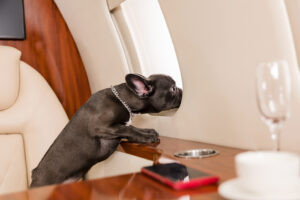
That’s why modern pet travel solutions prioritize pets flying with their owners, not away from them.
How Can I Prepare My Dog Before the Flight?
Start preparation early, weeks, not days, in advance.
Practical steps:
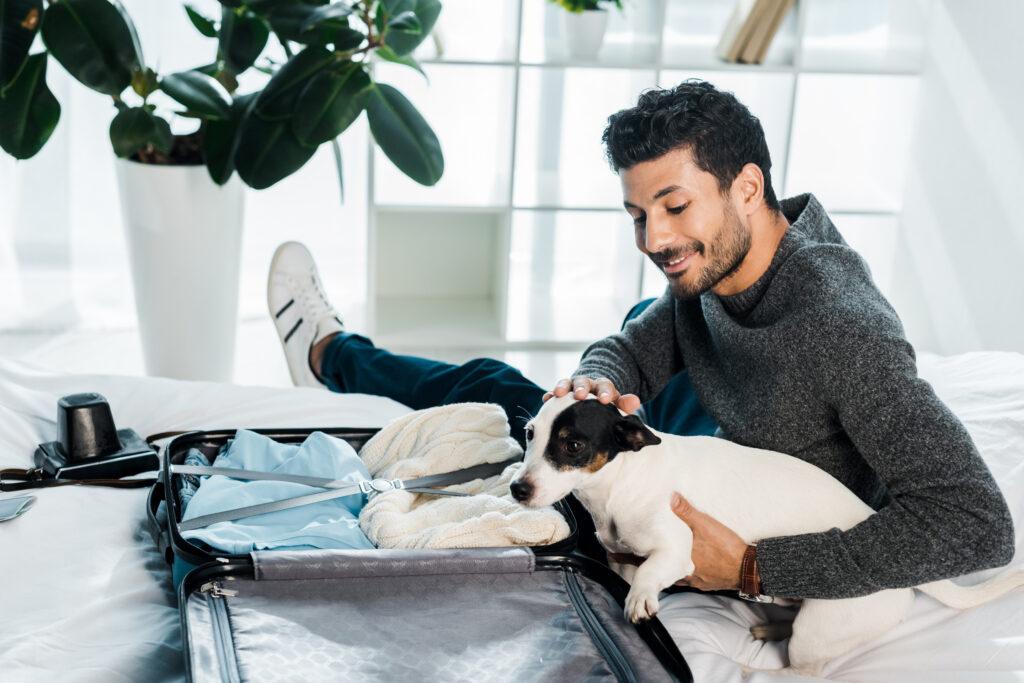
- Introduce your dog gradually to their dog carrier or carrier pet setup
- Take short car rides in the pet carrier to build familiarity
- Maintain a consistent feeding and walking schedule
- Practice calm behaviour training with positive reinforcement
This applies whether you’re flying from Heathrow, JFK, or Dubai International Airport.
Does the Right Pet Carrier Really Matter?
Yes, more than most owners realize. A well-designed pet carrier or dog carrier should:
- Allow your dog to stand, turn, and lie down comfortably
- Be well-ventilated
- Feel secure, not restrictive
While pet carriers for cats are often smaller and enclosed, dog carriers must prioritize space and stability, especially for medium and large breeds.
Should I Sedate My Dog for Air Travel?
No, sedation is rarely recommended. Most veterinarians and airlines advise against sedatives due to:
- Respiratory risks at altitude
- Disorientation and increased anxiety
Instead, focus on behavioural preparation, calming routines, and choosing a pet-friendly travel option.
How Can I Keep My Dog Calm at the Airport?
Familiarity and presence are key. At busy pet airport terminals:
- Arrive early to avoid rushing
- Walk your dog before check-in
- Keep their favourite toy or blanket nearby
- Stay calm, dogs mirror human emotions
Airports in London, Dubai, and New York are loud and stimulating. Your reassurance makes a measurable difference.
Do Airlines Handle Pets Differently?
Yes, policies vary significantly.
For example:
- Emirates pet travel typically routes pets as manifest cargo, not in-cabin
- American Airlines’ pet-friendly policies allow limited in-cabin travel but restrict routes and pet size
These options work for some, but they still involve separation or rigid rules. That’s why many pet owners now seek alternatives to traditional pet transport models.
What Is the Calmest Way for Dogs to Fly?
Flying beside their owner. Dogs remain significantly calmer when:
- They can see, hear, and smell their owner
- They are not placed in cargo or pet freight
- The cabin environment is quiet and controlled
Pet-first aviation services were designed specifically to eliminate the stress points of conventional pet relocation.
How Long Does It Take for Dogs to Settle During a Flight?
Usually within the first 20–30 minutes. Once cruising altitude is reached and cabin noise stabilizes, most dogs relax, especially if:
- They are close to their owner
- They have space to stretch
- Their routine hasn’t been disrupted
This is consistently observed on pet-focused flights operating between major hubs like London, Dubai, and New York.
Can Calm Travel Prevent Long-Term Anxiety?
Yes, positive experiences shape future behaviour. Dogs that experience calm, humane air travel are:
- Less fearful on future flights
- More adaptable to new environments
- Less likely to develop travel-related anxiety
This is especially important for pets who travel often or relocate internationally.
Calm Dogs Begin with Better Pet Travel Choices
Keeping your dog calm during flights isn’t about sedation or shortcuts; it’s about choosing a travel experience designed around animals. Traditional pet transport systems focus on logistics. Pet Jet Express focuses on well-being. When pets travel beside their families, stress disappears, confidence grows, and every journey becomes part of the adventure.
Because at the end of the day, family flies together, and your pet deserves nothing less.
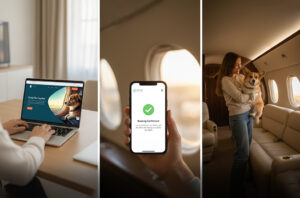
Explore pet-friendly private jet travel with Pet Jet Express.
Follow us on Instagram for travel stories, tips, and happy flying moments.