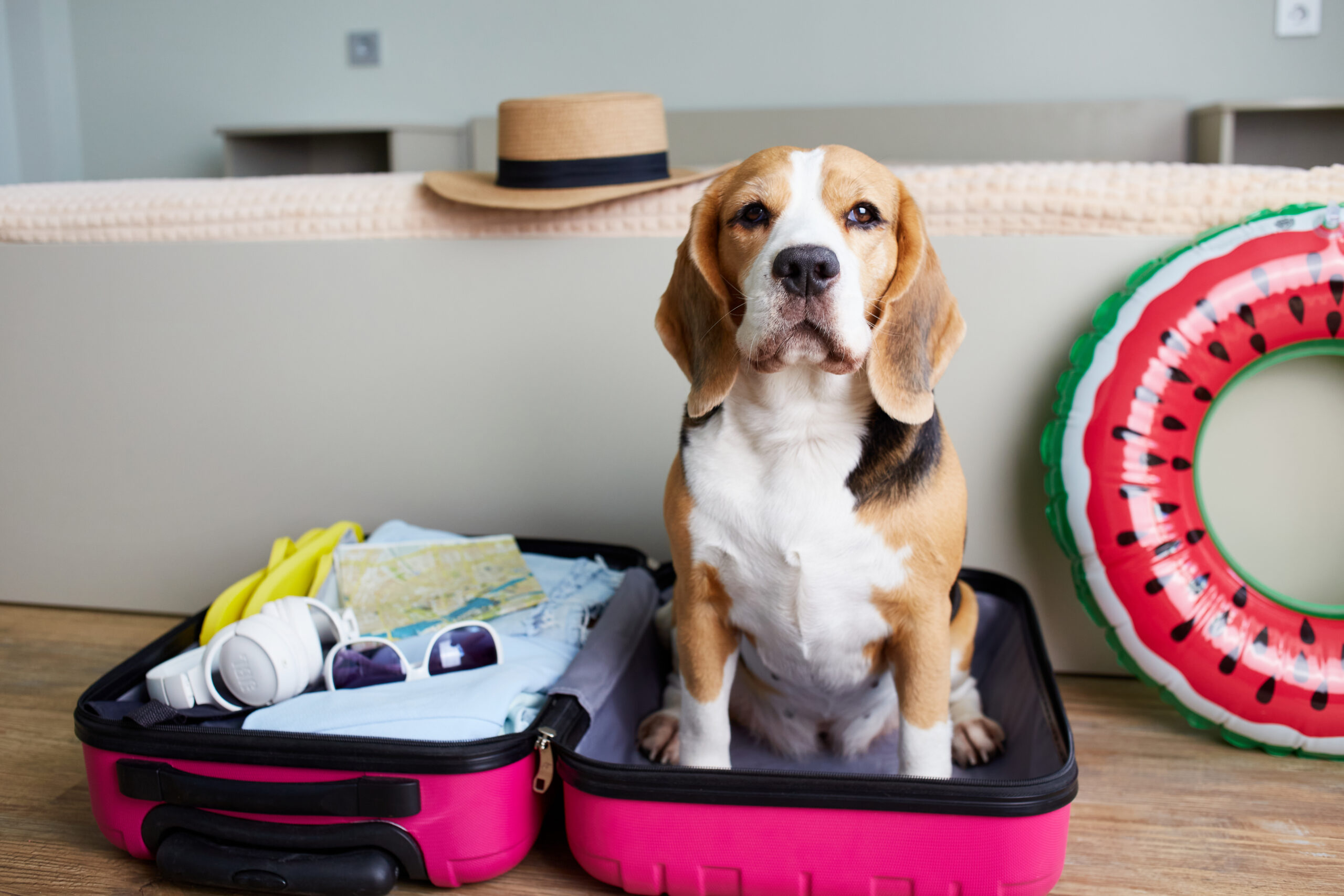
Pet relocation is an exciting journey, but the rules are changing fast. Travelling internationally with pets is becoming more common as pet parents increasingly choose to include their companions in their global journeys. However, regulations surrounding pet travel and international pet freight continue to evolve to protect animal and public health.
As of early 2026, the United Kingdom has implemented several critical updates to its rabies and entry requirements. These changes are vital for anyone planning pet relocation or private pet travel this year, as border checks at every pets airport have become significantly more stringent. If you do not follow the steps in order, your pet could face a 4-month quarantine or be denied entry.
Why the UK is Updating Pet Relocation Requirements
The updated 2026 regulations aim to strengthen animal health protection by adapting to new data regarding vaccine immunity onset. The government is also digitizing border security by integrating pet travel with the UK’s new Electronic Travel Authorisation (ETA) system. For a successful pet relocation, you must align your schedule with these digital standards to ensure your pet carrier is cleared at customs without delay.
1. Microchipping: The First Step in Pet Relocation
You cannot start your pet relocation journey without a microchip. Your pet must be microchipped before, or at the same time as, their rabies vaccination. The microchip must be ISO-compliant (15 digits). If the vaccination happens first, it is legally invalid for entry into the UK.
Expert Tip: Always ask your vet to scan the microchip before every new vaccination or blood test to ensure the record is continuous and clear for the pets airport staff.
2. Rabies Vaccination (The New “21 vs. 30 Day” Rule)
This is a major change for pet relocation in 2026. While the standard waiting period was previously 21 days for all brands, the UK now enforces wait times based on the vaccine manufacturer’s specific datasheet.
-
Standard vaccines: Usually require a 21-day wait after the primary dose.
-
Specific brands: Brands like Rabisin or Purevax now require a 30-day wait before the pet is eligible to travel.
When arranging international pet freight, your shipping agent will check these dates against the manufacturer’s “onset of immunity” period. Check with your vet specifically about the brand they use to avoid being turned away at the pets airport.
3. The Digital Shift: Electronic Travel Authorisation (ETA)
As of February 25, 2026, most international travelers who do not need a visa (including those from the US, Canada, and the EU) must have an ETA to enter the UK. This is a critical piece of the pet relocation puzzle. Since Animal Health Certificates (AHCs) are only valid for 10 days for entry, a delay in your own ETA approval could cause your pet’s expensive paperwork to expire.
4. International Pet Freight and Manifested Cargo
For travel into the UK, most pets must arrive as international pet freight (manifested cargo) rather than in the cabin. This is a common requirement at major hubs like Heathrow and Manchester.
-
Emirates Pet Travel: Many owners choose Emirates pet travel because of their world-class animal handling facilities in Dubai.
-
Pet Carrier Requirements: Your pet carrier must be IATA-compliant. For pet relocation, a pet carrier for cats needs to be sturdy, leak-proof, and ventilated on at least three sides.
5. Private Jet Travel for Pets: The Ultimate Comfort
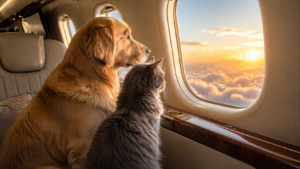
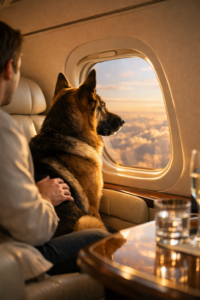
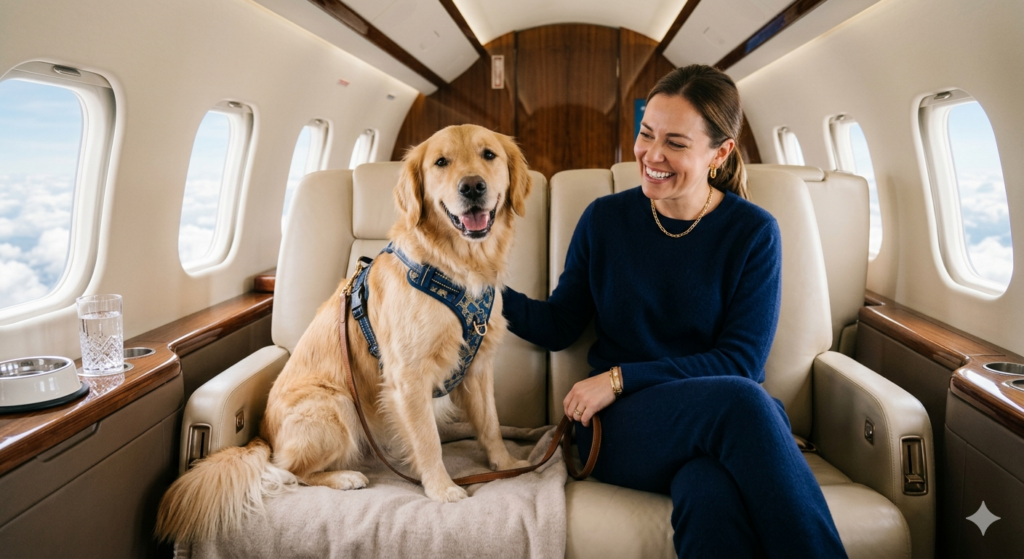
If the cargo hold isn’t for you, private pet travel is a growing trend. Private jet travel for pets allows your dog or cat to stay in the cabin with you, reducing the stress of pet relocation.
-
Private jet travel with dogs: Large dogs benefit from the extra space in a private cabin.
-
Private jet travel with cats: Cats stay much calmer when they can see and smell their owners throughout the flight.
Even with private pet travel, you must still land at a designated pets airport that has an Animal Reception Centre (ARC) to verify your rabies and microchip documents.
6. Mandatory Tapeworm Treatment (Dogs Only)
For dogs entering Great Britain, a vet must administer a tapeworm treatment containing Praziquantel. This must be done:
-
No less than 24 hours before arrival.
-
No more than 120 hours (5 days) before arrival.
The vet must record the exact date and time of treatment in the pet relocation documents.
7. Preparing Early for Successful Pet Relocation
One of the most common mistakes in pet relocation is waiting too long to start the paperwork. Because of the new 30-day potential wait for rabies vaccinations and the 3-day window for owner ETAs, experts recommend starting at least 2 months before your flight.
International pet freight requires coordination between the airline, the vet, and the destination pets airport. If you are coming from an “unlisted” country, you will also need a Titre Test (blood test) 30 days after the vaccine, followed by a 3-month waiting period. This makes early pet relocation planning essential.
8. Essential Gear: The Right Pet Carrier
Choosing the right pet carrier is vital. For international pet freight, the carrier is your pet’s home for many hours.
-
Sizing: The pet must be able to stand, turn, and lie down naturally.
-
Material: Rigid plastic or metal is required. Wooden crates are generally not accepted for pet relocation into the UK.
-
Cat Specifics: A pet carrier for cats should include a familiar-smelling blanket to reduce anxiety during the journey through the pets airport.
9. Arrival and Customs at the Pets Airport
Once your international pet freight lands, your pet is taken to a specialized facility like the Heathrow Animal Reception Centre. Staff will:
-
Scan the microchip to match it to the pet relocation file.
-
Verify the rabies vaccination brand and the “onset of immunity” dates.
-
Check the tapeworm treatment timestamp for dogs.
If everything is correct, the pet relocation process is complete, and you can collect your companion usually within 3–6 hours.
Summary Checklist for 2026 Pet Relocation
| Task | Requirement | Timing |
| Microchip | ISO 15-digit | Before Rabies Vaccine |
| Rabies Vaccine | Brand Dependent | 21 or 30 days before travel |
| ETA | Digital Authorization | At least 72 hours before flight |
| Pet Carrier | IATA Approved | Prior to International Pet Freight |
| Tapeworm | Praziquantel | 24–120 hours before arrival |
Conclusion: Mastering Your Pet Relocation
The 2026 updates to UK pet import rules reflect a move toward higher precision and digital integration. Whether you are using specialized pet relocation services, Emirates pet travel, or private jet travel for pets, the margin for error has narrowed. By staying informed on the ETA requirements, vaccine-specific wait times, and tapeworm windows, you can ensure your companion’s journey is as stress-free as possible.
For the latest official guidance, you can visit the UK Government Pet Travel Page or check with the IATA Live Animals Regulations for crate standards.