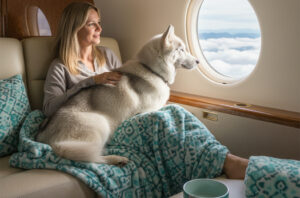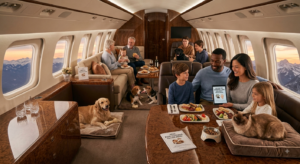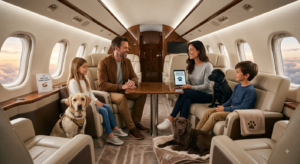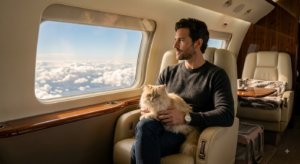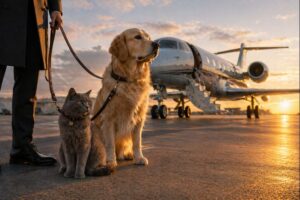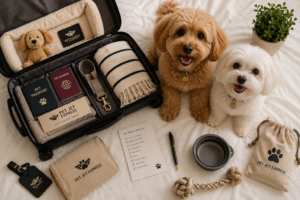
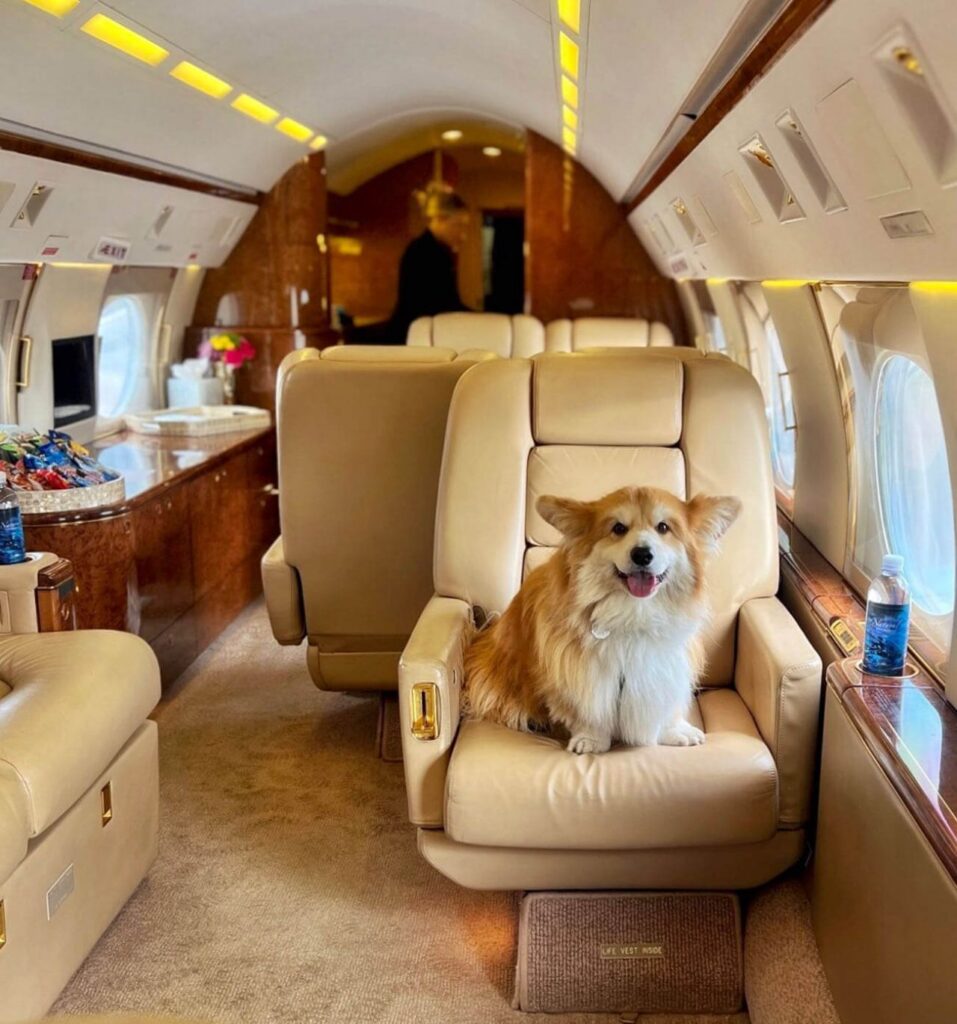
Pet private jet travel is no longer a fringe indulgence for the ultra-wealthy — it’s one of the fastest-growing categories in private aviation, and 2026 is the year it went mainstream. Dedicated pet-only airlines, shared-seat charters, and pet-specific programmes from major operators have turned what used to be a six-figure luxury into a realistic option for pet owners planning a relocation, a vacation, or simply a stress-free trip with their dog or cat.
This guide breaks down why pet private jet travel is booming, who the key players are, what it costs, and what it means for pet owners and pet-focused brands alike.
Table of Contents
- The Shift: From Cargo Hold to Cabin Seat
- Who’s Leading the Pet Private Jet Travel Boom
- Why Pet Owners Are Choosing Pet Private Jet Travel
- How Much Does Pet Private Jet Travel Cost?
- What This Means for Pet-Focused Brands
- The Bottom Line
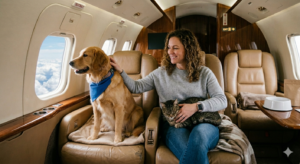
The Shift: From Cargo Hold to Cabin Seat
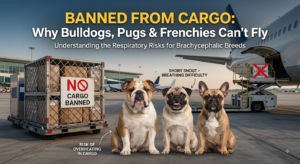
For decades, even devoted pet owners had only two commercial options: a small carrier under the seat, or the cargo hold for larger animals. Tightening breed restrictions, shrinking in-cabin allowances, and a steady stream of mishandling incidents on commercial carriers have pushed pet parents toward private alternatives.
Private aviation has responded directly. According to the U.S. Department of Transportation’s Air Travel Consumer Reports, pet incidents on commercial flights remain a documented risk — a key reason pet private jet travel has accelerated. Operators now treat pet-inclusive flights as a core, welfare-driven category rather than a novelty add-on, with some reporting double-digit annual growth in pet bookings.
Who’s Leading the Pet Private Jet Travel Boom
A handful of operators are defining this category:
Pet-only airlines. Carriers like BARK Air have built entire business models around pet private jet travel, running dedicated routes between major hubs — New York to London, for example — with harness-only restraint (no crates required), custom pet menus, and low-stimulation cabins designed specifically for canine comfort.
Seat-share and semi-private charters. Operators such as K9 Jets have opened pet private jet travel to a broader audience by selling individual seats — one human, one pet — on a shared aircraft, splitting both the cabin and the cost across multiple travelers on the same route.
Full-service charter brokers. Established players like VistaJet and NetJets have layered dedicated pet programmes onto their existing fleets, giving pet owners with multiple animals, large breeds, or complex international relocations full control over aircraft selection and cabin configuration.
Why Pet Owners Are Choosing Pet Private Jet Travel
Several forces are converging to drive demand:
- Pets are family, not luggage. Spending on pet nutrition, healthcare, and lifestyle has surged in recent years, and travel is simply the latest category to reflect that shift.
- Commercial restrictions keep tightening. Breed bans and shrinking in-cabin allowances on legacy carriers are pushing pet owners toward private aviation out of necessity, not just preference.
- Safety is a real concern. Documented incidents involving pets in commercial cargo holds have made cabin-only travel the new expectation among premium pet owners.
- Pricing has become more accessible. Shared and semi-private charter models have brought entry-level pet private jet travel pricing within reach of a one-time relocation or special-occasion trip, not just frequent UHNW flyers.
How Much Does Pet Private Jet Travel Cost?
Pricing for pet private jet travel varies widely by model:
| Charter Type | Typical Price Range |
|---|---|
| Shared seat (domestic) | $5,000–$9,000 per seat one-way |
| Shared seat (transatlantic) | $9,000–$12,000+ per seat one-way |
| Full private charter (domestic) | $20,000–$50,000+ |
| Full private charter (transatlantic) | $70,000–$120,000+ |
Most operators don’t charge significantly more for a pet onboard — the aircraft itself remains the primary cost driver, with occasional cleaning or detailing fees. For current rates by aircraft category, NBAA’s charter guidance is a useful independent reference point.
What This Means for Pet-Focused Brands
This shift isn’t only an aviation story — it’s a signal for any brand serving pet owners, from luxury hospitality to veterinary services to pet wellness brands. The travelers driving pet private jet travel are willing to pay a premium for welfare-first, low-stress experiences, and they actively research providers who can demonstrate genuine pet expertise rather than mere tolerance.
For destination brands and concierge services, this opens a real opportunity: pet-inclusive packaging, pet-friendly arrival experiences, and content that speaks directly to this growing, increasingly vocal traveler segment. If you’re working on related campaigns, see our related guide on building SEO strategy for niche travel and lifestyle markets for more on capturing this audience.
The Bottom Line
Pet private jet travel has moved from a fringe indulgence to a defined, fast-growing category — driven as much by genuine welfare concerns as by luxury appeal. As pet-only airlines expand their routes and shared-charter pricing continues to fall, expect pet private jet travel to keep climbing through 2026 and beyond, with ripple effects across hospitality, travel, and pet lifestyle marketing.